About
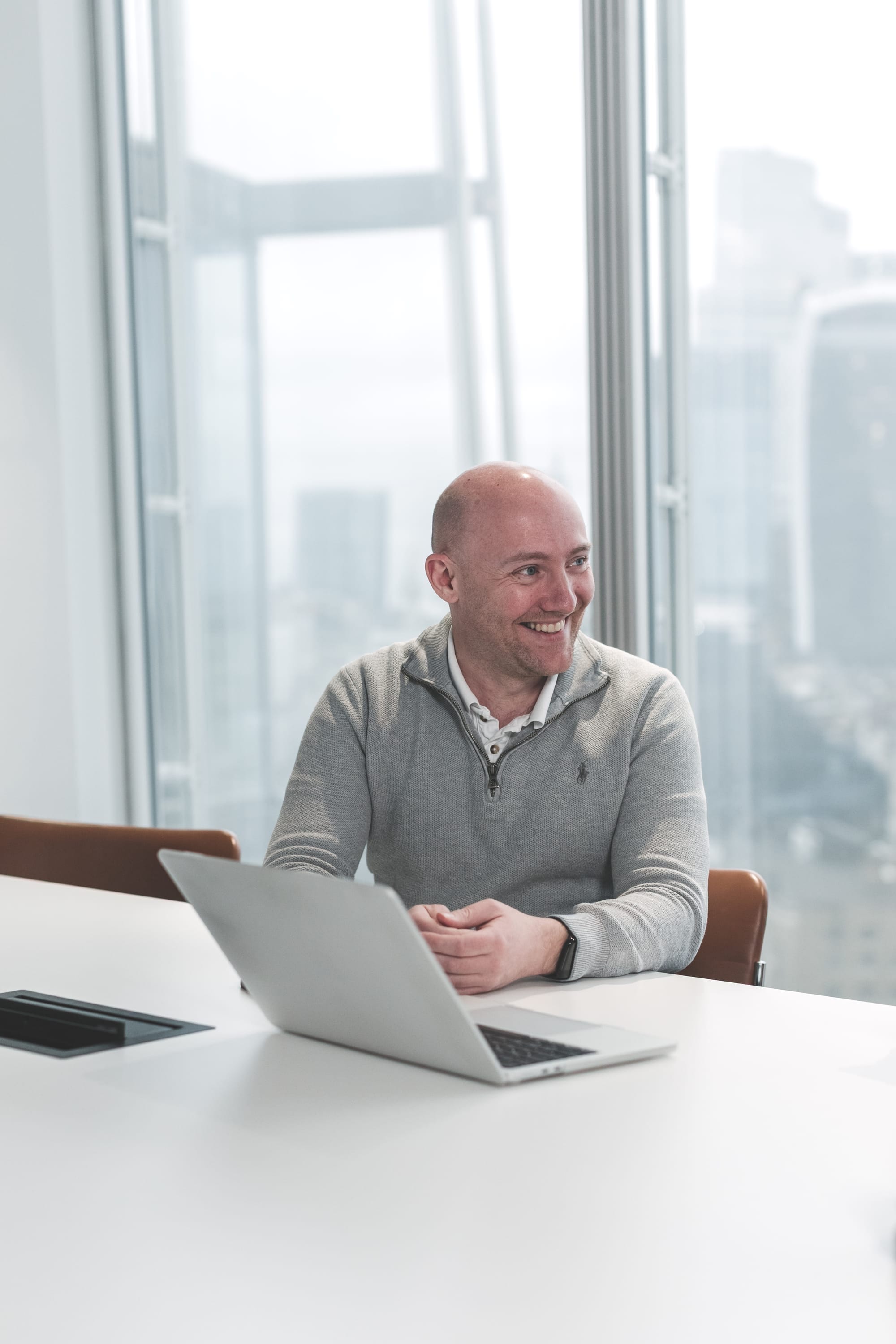
Most of my career has been a slow negotiation between two instincts.
The first: systems win. If you can model it, measure it, and engineer out the variability, you should. People are the noise in the signal — the reason good plans fail, the reason forecasts miss, the reason organisations move slower than they should.
The second, which took longer to arrive at: people are the signal. The systems are abstractions. What actually happens — in a station, in a boardroom, in a market — is determined by how people think, decide, and behave under constraint. Ignore that and your model is elegant and wrong.
Things and People is where I've ended up. Not a compromise — a synthesis. The argument: at any meaningful scale, you need both. Systems thinking without human understanding fails at the edges. Human understanding without systems thinking doesn't scale. The interesting problems live at the intersection.
I'm a Product Manager in Transport, Mobility and consumer marketplaces. Engineering background, an MBA, a decade in UK Rail, and a chronic interest in what happens when economics, technology, and behavioural science collide in the same problem. I read too widely and find it difficult to stay in one lane. This is where that goes.
A note on how I write: these are positions, not verdicts. I'll be wrong about some of this. I'll change my mind when the evidence warrants it. I'd rather publish a live argument than a polished one.